Part 1
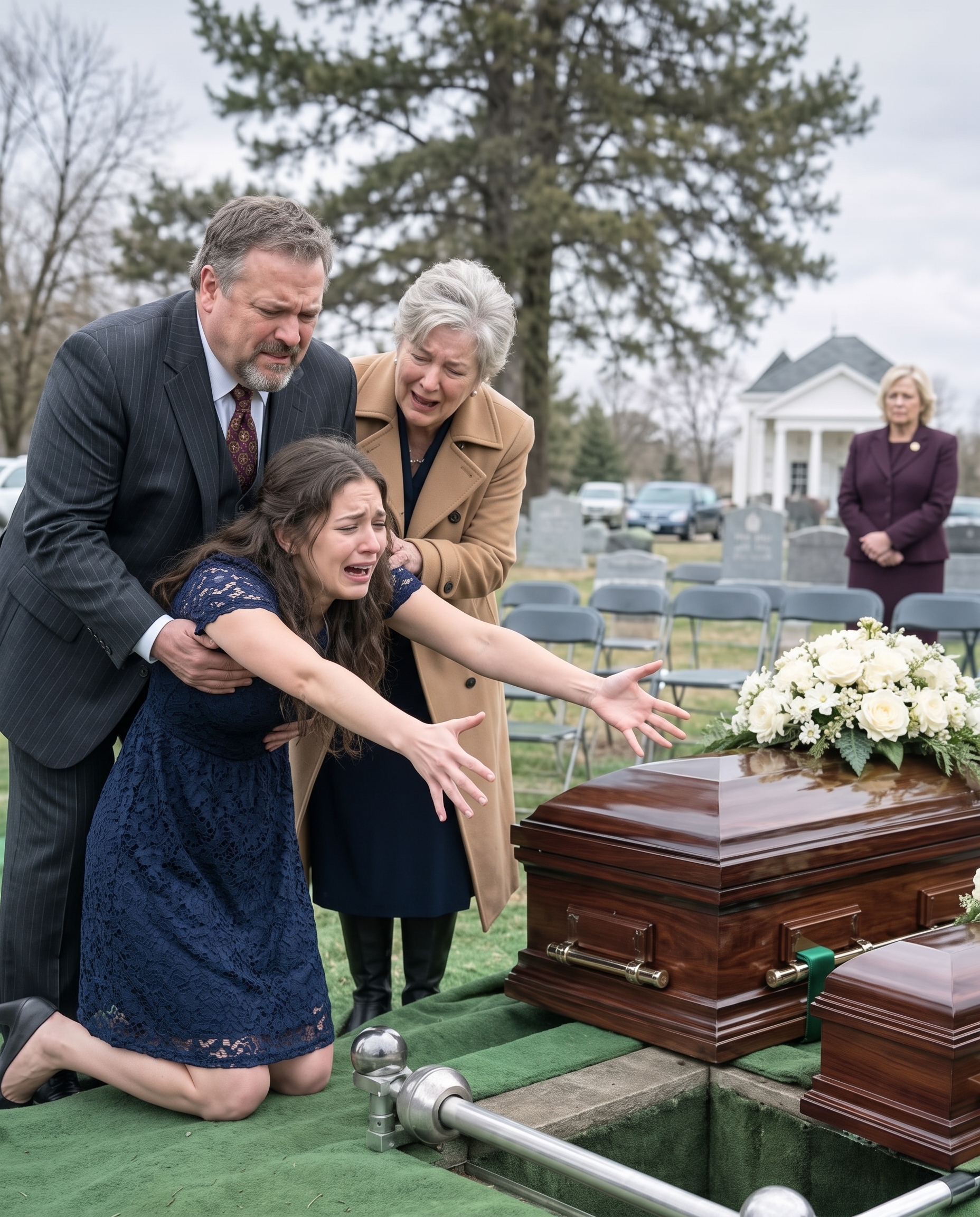
When I called my parents from the hospital chapel, my hands were still streaked with ash from the accident scene.
That morning, my husband, Julian Vance, had been driving our children along Interstate 95 outside Richmond, Virginia. Maya was seven. Leo was four.
A truck driver fell asleep, crossed the median, and crushed their SUV before Julian could get out of the way.
All three of them died.
I survived because I had not been in the car.
The thought kept cutting through me: I was alive because I had stayed behind.
I called my father first. Music and laughter spilled through the phone before he answered. Plates clinked in the background, and I heard my sister Eleanor telling everyone to gather around her birthday candles.
“Dad,” I whispered. “There’s been an accident.”
“What happened?” he asked, sounding distracted.
“Julian is gone.” My throat tightened until I could barely force out the rest. “Maya and Leo too.”
For a few seconds, he said nothing. Then my mother took the phone.
“What do you mean, gone?”
“They died this morning,” I said. “The funeral is Friday. Please. I need you there.”
My father came back on the line.
“Friday?”
“Yes.”
He let out a slow breath, as though I had just created an inconvenient scheduling problem.
“Sienna, Friday is your sister’s birthday dinner. That reservation has been booked for weeks.”
I had believed the accident had already hollowed me out completely. Somehow, his words found a place inside me that could still hurt.
“Dad, my husband and my children are dead.”
“I understand,” he replied in the same calm voice he used to discuss the weather. “But today is your sister’s birthday. We can’t come.”
The call ended before I could beg again.
At the funeral, I stood between three caskets while Julian’s parents held me upright. His mother cried so hard she struggled to breathe. His father kept one hand firmly on my shoulder, as if he feared I might fall into the open grave with them.
My side of the church was nearly empty.
My parents were not there. Eleanor was not there. None of my cousins came.
Only Aunt Ruth showed up. She drove six hours after hearing about the crash from a neighbor because no one in my immediate family had bothered to tell her.
Three days later, my mother sent me a text.
Hope you’re managing. Eleanor felt hurt that you didn’t call her on her birthday.
I read it until the words blurred.
Something inside me went quiet—not peaceful, not numb, but final.
For the next six months, I did not answer my family’s calls. There were not many. They sent cheerful holiday photos, casual messages in the family group chat, and an invitation to Eleanor’s engagement party as if I had simply been busy.
While they carried on, I spent my days handling death certificates, insurance forms, medical records, and belongings that still smelled like the people I had lost.
Julian’s coffee mug stayed beside the sink for weeks. Maya’s school jacket remained hooked near the front door. Leo’s sneakers were still turned sideways beneath the bench because he never put them away properly.
My family never asked what I needed.
Then, on a cold Tuesday morning in January, my name appeared in a headline: